
Lake Region Bulletin: A fact-checking agent built by non-technical editors
Two editors learned they could "code using words," then trained a ChatGPT agent on the newsroom's own published debunks.
- Can non-technical editors configure a fact-checking agent?
- How do you contain hallucinations?
- What does it cost to run?
Problem
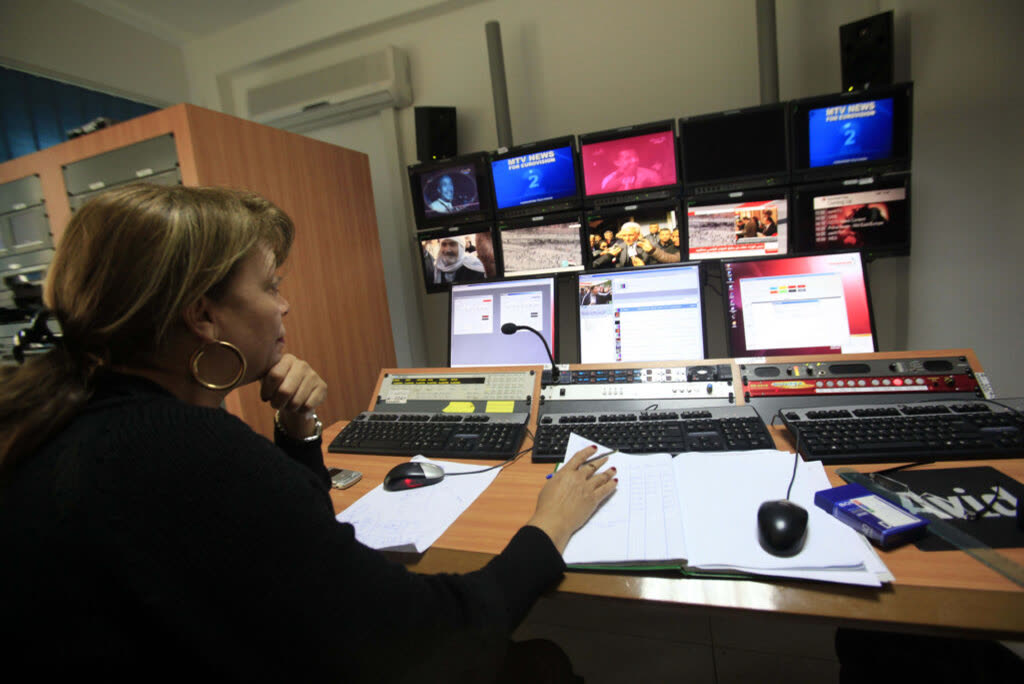
Lake Region Bulletin (LRB) is a small digital newsroom in Kisumu, western Kenya, founded in 2021 to cover community stories dropped by a shrinking mainstream media. It runs with a small staff of eight to 10, and a network of around 25 independent contributors. It runs a fact-checking desk, and the manual work of collecting questionable content, running it through verification tools and producing debunks was slow and labour-intensive. The newsroom wanted to make this work easier for the existing team without having to hire.
Solution
LRB built a custom agent on top of ChatGPT. The newsroom had used generative AI informally before, for basic image and text editing, but describes itself as initially wary of the technology. Developing a tool from scratch was too technical and expensive (cloud hosting, maintenance, monitoring) for their scale. Two editors worked on configuring the agent through natural-language instructions after learning they could "code using words." They explained to the agent who LRB is and what it wants to achieve, fed it instructions on how to fact-check plus reference resources, and uploaded several of LRB's own published fact-checks so it learns the house format.
The agent traces whether a photo or video has been published before and where. Most of the mis/disinformation they see is recycled, such as a Nigerian photo passed off as a Kenyan event, so tracing originals lets them debunk. Findings are fed back in and the tool drafts a fact-check story in LRB's format, with a human reviewing the output before anything is published. When outputs failed the "human test," they iterated on the prompt rather than rebuilding, adding resources and more specific instructions.
Results
The agent reduced fact-checking time, freeing journalists for other tasks, and is now part of the regular workflow. All AI outputs are reviewed by human editors before getting published due to AI making mistakes or hallucinations, which is a persistent problem in Large Language Models (LLMs). In one illustrative case, the tool said Barack Obama is the current US president. Many websites block AI access, making timely verified information inaccessible. Using imprecise prompts adds to the problem, leading the tool into surfacing incorrect information from the internet.
Insights
The agent is part of the regular fact-checking workflow, but access is deliberately restricted to the two editors who run it, with wider onboarding only once the newsroom determines it's safe for others to use it. According to LRB, the desk covers on average two fact-check stories a week, plus general verification of figures in other reporting, including development, climate and science stories.
Cost
The main cost is the paid subscription, around USD 25–30 a month. They tested packages from the smallest tier upward and found a modest one sufficient.
Replicability
This is a prompt-configured agent on a consumer AI subscription, built by non-technical editors and trained on the newsroom's own published stories. No coding, minimal budget. LRB's advice to peers is to define a specific task first and research which tool is strong for that task. Free tiers can be limiting and they keep changing. Newsrooms adopting this solution must use their in-house fact-checking formats, and tune it to their local context depending on the nature of the information that needs to be fact-checked. LRB's agent for example is tuned to recycled foreign content re-captioned for Kenya.